
Where to purchase prepared Burdock Root for Tea:
https://highclimatetea.com/
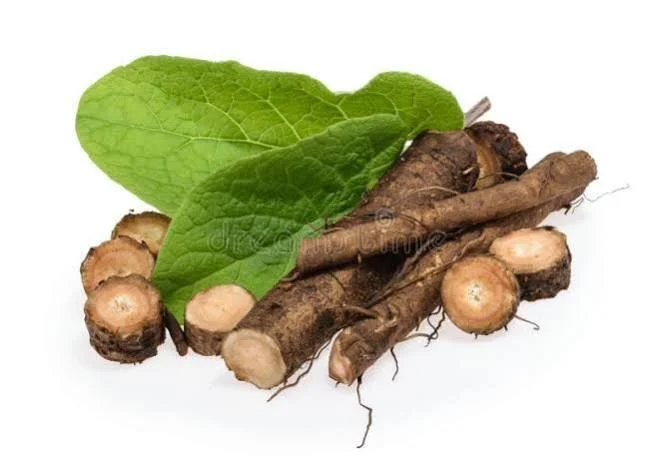
Burdock root, known as gobo in Japan, is a powerful, slender underground taproot belonging to
the aster family. For centuries, it has been prized as both a dietary staple in East Asian cuisine
and a foundational botanical remedy in traditional herbal medicine.
Key Health Benefits
Cellular Protection: Packed with powerful antioxidants like quercetin, luteolin, and
phenolic acids, burdock root actively neutralizes free radicals to combat oxidative stress
and cellular aging.
Blood Purification: It contains active compounds that enhance blood circulation and
stimulate lymphatic drainage, helping to clear toxins from the bloodstream and improve
skin clarity.
Blood Sugar & Gut Regulation: Up to 40% of its dry weight is inulin, a natural prebiotic
soluble fiber. Inulin slows digestion, prevents rapid blood sugar spikes, and feeds
beneficial gut bacteria.
Circulation & Detoxification: Traditional Asian medicine utilizes burdock root as a blood
purifier that flushes out accumulated toxins and promotes healthy skin.
Weight Management: Saponin targets and helps break down lipids in the digestive
system, which can aid in metabolic health.
Digestive Support: It is packed with inulin, a natural prebiotic soluble fiber that improves
gut health, regulates digestion, and keeps your blood sugar stable.
Rich in Antioxidants & Polyphenols: The skin of the burdock root contains a high
concentration of saponin, a polyphenol that protects cells from damage, reduces
inflammation, and helps maintain a youthful appearance.
Dr. Yoshinori Nagumo is a prominent Japanese breast cancer surgeon and author who became a
cultural phenomenon for his extreme anti-aging results and wellness theories.
Drinking Burdock Tea Makes You 20 Years Younger: His book that details how root polyphenols
act as internal cell rejuvenators.
Dr. Nagumo highlighted Gobo’s potent anti-aging and health-boosting properties.
The Skin Renewal Mechanism: Following Dr. Nagumo’s philosophy, the outer skin of the
root is dense with saponins. These compounds bind to bile acids and dietary fats in the
digestive tract, facilitating cholesterol elimination. He advocates for eating vegetables
with their skins intact, explaining that the saponin found heavily in burdock skin acts like
a natural soap inside the body—binding to visceral fats and clearing out cholesterol.
How to Brew Gobocha (Burdock Tea)
Hot Brew: Place 1 T. of cut Burdock pieces for every 8 oz of boiling water
Simmer: For a stronger or deeper flavor, place the dried roots and water in a small pot,
bring to a boil, and let it gently simmer for 10 to 15 minutes.
Cold Brew: 2 T. of cut Burdock pieces for every 1 liter of cold water and leave it to cold-
brew in the refrigerator for at least 3 hours for a crisp, refreshing drink.
A Fun Culinary Tip: The pieces are completely edible after steeping! You can eat them as
you drink or repurpose the strained bits into miso soup or rice dishes (takikomi gohan).
Because it is naturally free of caffeine, you can enjoy it either hot or iced at any time of
the day.
Safety Precautions
While Gobocha is generally very safe, you should drink it in moderation. Burdock root is a
natural diuretic. Avoid consuming large amounts if you are dehydrated. Because it can lower
blood sugar levels and slow blood clotting, consult a healthcare provider before regular use if
you take diabetes medications or blood thinners. Do not use burdock root if you are pregnant, or
if you have a known allergy to ragweed, chrysanthemums, or marigolds.
Cooking with Burdock Root
Culinary Preparation & Tips
Fresh burdock root is celebrated for its earthy, woody flavor and its crisp, fibrous texture that
holds up beautifully to various cooking styles. When preparing it, gently scrub the dirt off the
skin instead of peeling it, and soak cut pieces in water for 5 to 10 minutes to remove bitterness
and prevent browning.
Preserve the Skin: Do not peel the root with a vegetable peeler, as the highest
concentration of beneficial saponins and antioxidants lives in and just beneath the skin.
Instead, gently scrub the dirt off under running water using a stiff vegetable brush or the
back of a knife.
Prevent Reoxidation: Once cut, burdock root turns brown quickly due to its high
polyphenol content. To preserve its color and temper its earthy bitterness, immediately
submerge the sliced pieces in cold water (or water with a splash of rice vinegar) for 5 to
10 minutes.
Here are the best ways to cook with burdock root, categorized by traditional cooking methods:
1. The Classic Stir-Fry (Kinpira Gobo)
This is the most famous Japanese preparation. The sweet and savory glaze balances the root’s
natural earthiness.
The Cut: Julienne (cut into thin, 2-inch matchsticks).
The Process: Heat 1 tablespoon of sesame oil in a skillet over medium-high heat. Sauté
the burdock matchsticks and thin carrot matchsticks for 3 to 4 minutes until slightly
softened.
The Glaze: Add 1 tablespoon of soy sauce, 1 tablespoon of mirin, and 1 teaspoon of
sugar. Stir-fry until the liquid evaporates and coats the vegetables. Top with toasted
sesame seeds and chili flakes (shichimi togarashi).
2. Simmered in Soups and Stews (Tonjiru & Chanko Nabe)
Burdock root acts as an aromatic foundation, absorbing flavors while imparting a deep, rustic
umami to broths.
The Cut: Sasagaki (shaved into thin ribbons, like sharpening a pencil with a knife) or
diagonal chunks.
The Process: Add the shaved pieces directly into Japanese miso soup, pork belly soup
(tonjiru), or chicken stews at the beginning of the cooking process.
Duration: Simmer for 15 to 20 minutes until tender.
3. Mixed Rice (Takikomi Gohan)
Cooking burdock root directly with rice infuses the entire grain with an incredible autumn-like
aroma.
The Cut: Finely minced or small shaved ribbons.
The Process: Place rinsed raw rice into your rice cooker. Add your standard cooking
water, but replace 2 tablespoons of water with 1 tablespoon of soy sauce and 1 tablespoon
of sake.
The Finish: Layer the finely cut burdock root, sliced shiitake mushrooms, and diced
chicken on top of the rice. Cook on the normal rice cycle and fluff together before
serving.
4. Burdock Chips (Crispy Snack)
A modern, highly addictive way to eat gobo that highlights its unique texture.
The Cut: Paper-thin ribbons made using a vegetable peeler.
The Process: Thoroughly pat the soaked ribbons completely dry with a paper towel.
Flash-fry them in hot neutral oil for 1 to 2 minutes until golden and bubbling stops, or
toss them in oil and bake at 375°F (190°C) for 12 to 15 minutes.
The Finish: Drain on paper towels and toss immediately with sea salt or garlic powder.
CAUTION:
Deadly Look-Alikes (Foxglove & Deadly Nightshade):
In its early “basal rosette” stage (first-year growth), burdock can look similar to foxglove (Digitalis) and deadly nightshade / belladonna. Foxglove contains cardiac glycosides that can be fatal even in tiny amounts.
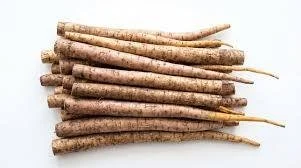
How to differentiate: Burdock always has a deep, single taproot shaped like a brown carrot. Foxglove has a web of scraggly, fibrous roots and no central taproot. Burdock leaves are broad and spade-shaped with a felt-like, whitish fuzzy underside. Foxglove leaves are narrower, arrow- or diamond-shaped, and evenly serrated.
Toxic Stems (Rhubarb):
Young burdock is sometimes confused with rhubarb. While rhubarb leaves are toxic, you can distinguish them by the stem. Burdock has a hollow, ridged stem with a grooved channel, while rhubarb has a solid stem.
Chemical Contamination:
Burdock commonly grows along roadsides, ditches, train tracks, and vacant lots. Never harvest burdock from these areas, as the deep taproot readily absorbs heavy metals, vehicle runoff, pesticides, and chemical herbicides. Only harvest from clean, trusted, and legally permitted wild spaces.
Always safer to purchase from a reputable store/market.